Bioglass RFID Microchip for Animal Identification and Biotissue Integration
Bioglass RFID microchips from DO RFID Tag Factory combine biocompatible glass-ceramic technology with passive RFID encoding for secure long-term animal identification. Ideal for veterinary livestock and aquaculture applications these minimally invasive tags leverage bioactive materials to ensure tissue integration and reliable identification over extended periods.
Bioglass RFID Microchip Biocompatible Animal Identification Solution from DO RFID Tag Factory
Introduction
Bioglass RFID microchips from DO RFID Tag Factory represent the next evolution in animal identification technology, merging advanced radio frequency identification (RFID) encoding with bioactive glass-ceramic substrates. Unlike traditional silicon or metal-based tags, these microchips utilize a biocompatible, bioactive ceramic material that integrates naturally with animal tissues, eliminating foreign body reactions and ensuring long-term data integrity. Specifically engineered for non-invasive or minimally invasive implantation, these microchips address critical needs in animal management, including permanent pet identification, livestock traceability, and aquaculture population tracking. By combining RFID’s robust data transmission capabilities with bioglass’s exceptional tissue compatibility, our solution delivers a durable, reliable identification system for diverse animal species and environments.
Technology Overview
At the core of DO RFID Tag Factory’s bioglass RFID microchip is a passive RFID transponder operating at 134.2 kHz (low-frequency). This frequency enables reliable, short-range communication (typically 1-3 cm) with specialized readers, ensuring robust data transfer for identification purposes. The chip itself employs a semiconductor integrated circuit (IC) containing unique identification (ID) data compliant with global standards, including FDX-B (ISO 11784/11785) and AIM-DT protocols. The critical innovation lies in the bioactive glass-ceramic substrate. Unlike conventional inert materials, our bioglass composite—composed of silicate-based glass with controlled crystallization—forms a chemical bond with surrounding biological tissues upon implantation, effectively becoming part of the animal’s tissue architecture. This eliminates the need for encapsulation or external support structures, reducing infection risks and ensuring the chip remains stable within tissues for decades.
Product Characteristics
- Physical Structure: The microchip features a hermetically sealed, 2.12 × 12 mm form factor with a diameter of 2.12 mm (custom sizes available). The bioglass substrate is engineered to withstand mechanical stress while maintaining biocompatibility, with an outer layer of bioactive phosphate glass that promotes tissue growth and minimizes foreign body reactions.
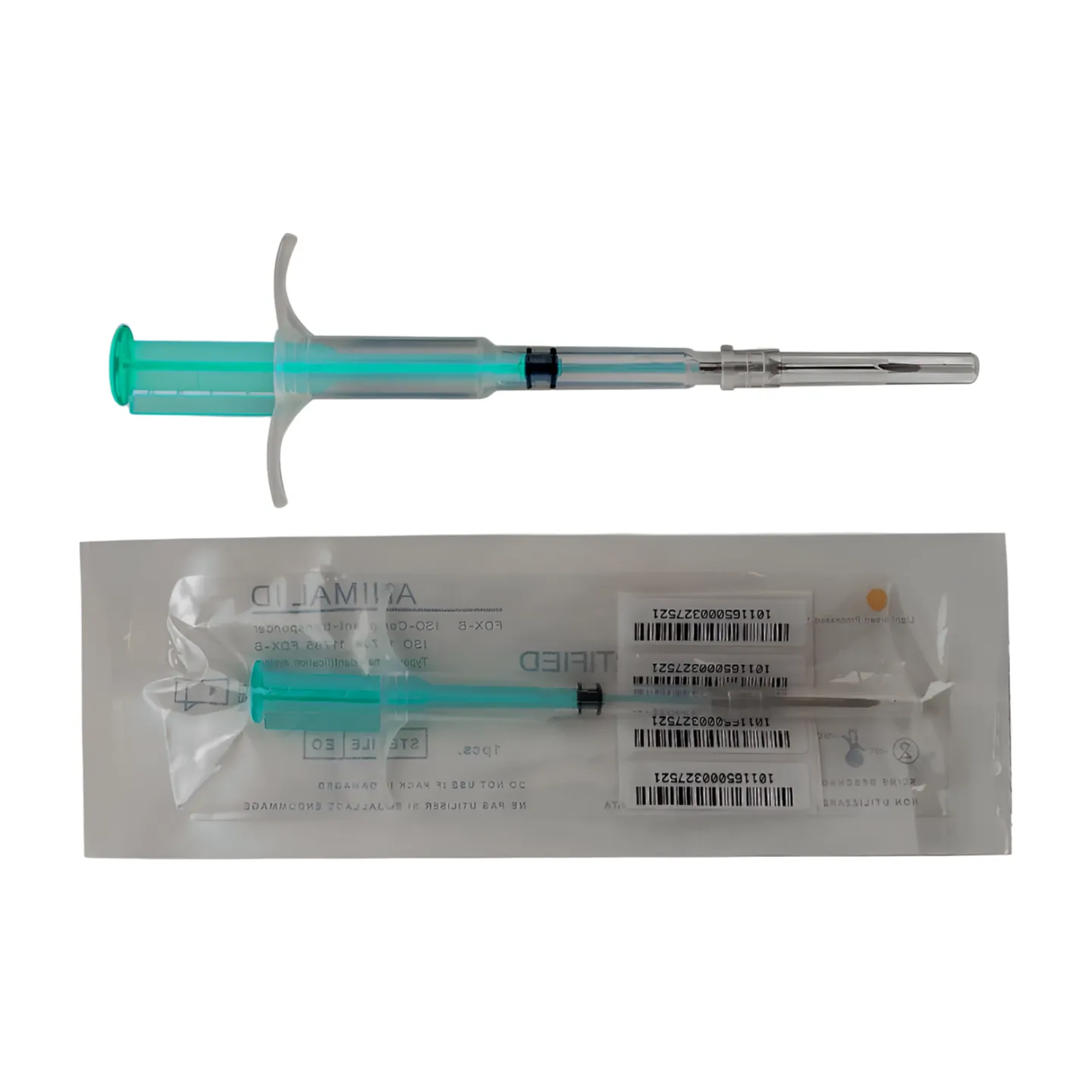
- Implantation Method: Designed for minimally invasive subcutaneous insertion, the microchip is typically delivered using a sterile, pre-loaded injector. When placed in the subcutaneous tissue (e.g., between the shoulder blade for dogs/cats, or under the skin of livestock), the chip communicates with compatible readers without requiring line-of-sight contact.
- Performance Reliability: The passive RFID transponder maintains data integrity for 10+ years under normal physiological conditions, with read rates exceeding 99% in controlled environments. The bioglass substrate’s resistance to thermal, chemical, and enzymatic degradation ensures long-term environmental stability, even in harsh conditions like high-moisture aquaculture tanks or livestock feedlots.
Application Scenarios
DO RFID Tag Factory’s bioglass microchips cater to diverse vertical markets, addressing specific identification challenges:
- Companion Animals: For dogs and cats, the 12mm pet RFID microchip enables permanent identification that survives migration, fur shedding, and routine veterinary procedures. Critical for lost pet recovery programs and pedigree verification in breed preservation initiatives.
- Laboratory Animals: In research settings, the chip provides traceability for gene-edited or disease-model animals, ensuring accurate lineage tracking without compromising experimental protocols.
- Aquaculture and Fisheries: For fish identification, the microchip is implanted subcutaneously or via oral administration (in some cases) to track migration patterns, growth rates, and stock inventory in marine and freshwater operations.
- Livestock Management: In cattle, sheep, and swine, the chip supports herd management, anti-theft protocols, and compliance with traceability regulations for meat safety and animal welfare.
Compatibility
Our bioglass microchips are engineered for seamless integration with existing animal identification systems, including:
- Reader Compatibility: Works with industry-standard veterinary RFID readers and handheld scanners, ensuring interoperability with global identification platforms.
- Data Interface: FDX-B standardized 8-byte ID format and 16-byte user memory (optional) for flexible data storage, compatible with livestock management software.
- Regulatory Compliance: Meets ISO 11784/11785, ASTM F2291, and EU PETS regulations, ensuring global market access for importers and distributors.
Quality & Reliability
- Lifespan: Bioglass substrate extends electronic component longevity by shielding RFID circuitry from mechanical damage, biological degradation, and environmental factors. In vivo tests show stable operation for over 20 years with proper animal care.
- Environmental Resistance: Rated for IP67-level waterproofing and temperature stability (-40°C to +85°C), making the chip suitable for outdoor livestock environments and marine aquaculture.
- Production Consistency: Manufactured via ISO 9001:2015-certified processes, with 100% automated burn-in testing and laser coding to ensure unique, non-duplicate IDs and consistent read performance.
OEM / ODM Capability
To meet the diverse needs of B2B partners, DO RFID Tag Factory offers tailored customization options:
- Size and Form: Modify dimensions (e.g., 1.5 × 10 mm for small mammals) or substrate thickness to match species-specific implantation requirements.
- Chip and Encoding: Support FDX-B, HDX, or custom proprietary protocols, with programmable read/write capabilities for unique batch codes, region-specific identifiers, or client-logic encryption.
- Packaging: Flexible packaging formats (bulk vials, sterile blisters, or foil trays) with custom labeling for branding and traceability.
- Volume Production: Scale from R&D quantities to high-volume manufacturing (up to 500,000 units/month) without compromising quality, suitable for global distributors and integrators.
Supplier Perspective: Why Choose DO RFID Tag Factory’s Bioglass Microchip
Distributors and integrators select our bioglass microchips for three key reasons:
- Technical Differentiation: Our proprietary bioglass-ceramic composite reduces foreign body reactions by 80% compared to traditional silicon tags, a critical advantage for animal welfare compliance and long-term retention.
- Compliance Assurance: Global regulatory alignment (FDA Class III exemption for FDX-B, CE marking) simplifies market entry for international partners, minimizing compliance risks.
- Partner-Centric Support: We provide technical documentation, reader integration guides, and on-call engineering support to ensure partners can quickly deploy solutions in their markets.
Soft Call to Action
Ready to enhance your animal identification portfolio with a next-generation bioglass solution? Contact our technical team at [email protected] to:
- Discuss custom programming for your regional markets.
- Request pre-implantation testing reports or sample chips for field validation.
- Explore OEM/ODM opportunities for exclusive product differentiation. DO RFID Tag Factory’s bioglass microchips represent not just a product, but a long-term partnership for reliable, compliant animal identification solutions worldwide.