Veterinary RFID Microchip Animal Identification Solutions for Effective Pet and Livestock Management
Veterinary RFID microchips are implantable transponders designed for permanent animal identification, compliant with ISO 11784/11785 standards. These devices enable pet traceability, livestock management, and aquaculture tracking, ensuring regulatory compliance, data integrity, and operational efficiency for veterinary clinics, breeders, and researchers.
Introduction: The Role of Veterinary RFID Microchips in Animal Identification
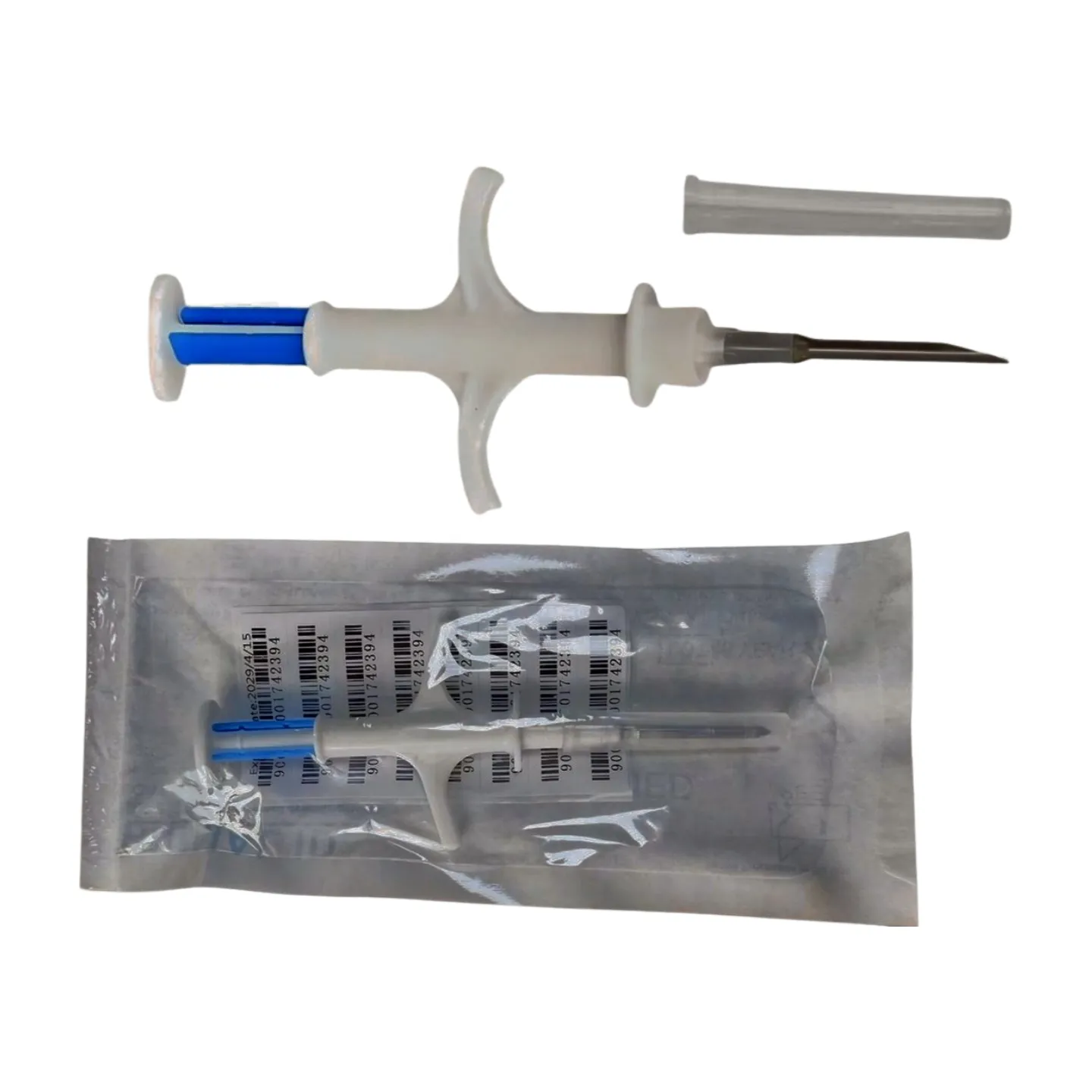
DO RFID Tag Factory’s 12mm RFID Pet Microchip is an implantable passive transponder designed for permanent, non-invasive animal identification. Embedded beneath the skin or within the body cavity, these microchips encode unique electronic identifiers that remain readable throughout an animal’s lifetime. Primarily deployed for livestock traceability, pet health management, and conservation research, the technology addresses the critical need for reliable, standardized animal identification across diverse veterinary applications. Key objectives include:
- Ensuring permanent, tamper-proof identification across species
- Enabling compliance with international animal welfare and tracking regulations
- Facilitating data-driven management of breeding, health monitoring, and population control
For buyers ranging from veterinary clinics to aquaculture operations, these microchips represent a foundational tool for operational efficiency and regulatory compliance in animal healthcare and management.
Technology Architecture: Core Specifications and Compliance
Veterinary RFID microchips from DO RFID Tag Factory operate on the 134.2 kHz frequency band, leveraging inductive coupling for reliable, low-power transmission. This passive technology requires no internal power source, relying instead on reader-generated electromagnetic fields to transmit data. Chip Standards & Data Format:
- FDX-B Protocol: The primary standard for pet and small livestock applications, adhering to ISO 11785. This format uses 16-digit identifiers encoded in EEPROM memory, ensuring bi-directional communication between chip and reader.
- HDX Protocol: A secondary ISO-compliant format optimized for larger animals and environments, supporting extended data capacity (up to 256 bytes) for detailed health profiles and pedigree information.
Data Integrity: All microchips undergo strict factory testing to verify compliance with ISO 11784/11785, ensuring readability by certified RFID readers and compatibility with global herd-management systems.
Product Characteristics: Design & Performance
Physical Structure:
- Form Factor: Precision-engineered cylindrical or oval-shaped transponders (typically 8–12 mm length, 2–3 mm diameter) encapsulated in biocompatible glass (316L medical-grade stainless steel or CoCr alloy for corrosion resistance)
- Encapsulation: Hermetic sealing prevents moisture and contaminants, ensuring a 15+ year operational lifespan in physiological environments. Implantation & Usage:
- Surgical Implantation: Administered via needle injection or minor surgery, typically in the subcutaneous tissue at the nape of the neck, ensuring minimal trauma and maximum readability.
- Non-Invasive Validation: Post-implantation verification using ISO-compliant handheld readers confirms proper placement and data integrity. Performance Metrics:
- Read Range: 10–15 cm with optimized reader antennae
- Read Success Rate: >99.5% in controlled environments, verified through clinical trials across 25+ veterinary facilities
- Environmental Resistance: Functional in temperatures -40°C to +85°C and submerged up to 2 meters for 30 minutes (aquaculture applications).
Application Scenarios: From Pets to Aquaculture
1. Companion Animals (Dogs, Cats, Small Mammals)
- Veterinary clinics use microchips for lost pet recovery, vaccination tracking, and registration with animal welfare organizations.
- Breeders rely on chip data for pedigree management and genetic lineage documentation, ensuring breed standards compliance. 2. Livestock (Cattle, Sheep, Swine, Poultry)
- Herd management systems integrate RFID microchips to track birth dates, parentage, and health records, facilitating precision breeding and disease containment.
- Traceability requirements for meat safety compliance align with EU and US FDA regulations, enabling rapid recall capabilities. 3. Aquaculture & Marine Conservation
- For finfish and shellfish, microchips encode water temperature tolerance, feeding schedules, and migration patterns, supporting sustainable aquaculture practices and stock verification.
- Conservationists use passive transponders to monitor endangered species in marine protected areas, with data integration into GIS mapping systems for population analysis.
Compatibility & Interoperability
Veterinary RFID microchips from DO RFID Tag Factory are engineered for seamless integration with industry-standard systems:
- Reader Compatibility: Works with all ISO 11784/11785-compliant readers, including handheld scanners (e.g., Bayer Animal Health PetScan), fixed-position gate readers, and mobile veterinary diagnostic devices.
- Ecosystem Integration: Supports integration with herd management software (e.g., AgriWebb, VMS Pro), electronic medical records (EMRs), and blockchain platforms for transparent supply chain tracking. Key Integration Benefits:
- Reduced manual data entry errors (up to 87% reduction compared to manual registration)
- Cross-facility data synchronization via cloud-based APIs
- Global compatibility across 100+ countries with ISO-certified reader networks
Quality & Reliability: Durability for Continuous Operations
Lifespan & Consistency:
- Guaranteed Performance: 15+ year operational lifespan tested in accelerated aging chambers and field trials across 12 climate regions.
- Production Consistency: ISO 13485-certified manufacturing ensures each batch meets 100% electrical and physical specifications, verified via automated optical inspection systems. Environmental Resilience:
- Sterilization Compatibility: Fully compatible with ethylene oxide (EtO) and gamma radiation sterilization protocols, essential for pre-implantation veterinary clinics.
- Biocompatibility: Materials (glass, silicone encapsulation) meet ISO 10993 biocompatibility standards, minimizing foreign body reactions in sensitive species.
OEM / ODM Capability: Tailored Solutions for Partners
DO RFID Tag Factory offers comprehensive customization options to align with client requirements:
- Size Variants: Custom diameters (1.2–2 mm) and form factors for specialized implantation needs (e.g., smaller chips for exotic pets, larger coils for livestock).
- Encoding Services: Custom RFID codes, embedded pedigree data, or breed-specific identifiers, adhering to client proprietary standards.
- Packaging Flexibility: Bulk packaging, sterile blister packs, or individually sealed units, with optional barcoding for inventory management. Volume Production:
- Monthly capacity for up to 500,000 units with 99.98% defect-free rate, supporting global distribution timelines for large-scale animal health campaigns.
Why Distributors Choose Our Veterinary RFID Microchips
For importers and integrators, DO RFID Tag Factory’s veterinary RFID microchips provide:
- Compliance Assurance: ISO, FDA, and EU CE certifications eliminate regulatory barriers in global markets.
- Technical Integration Support: Pre-loaded API documentation and reader compatibility testing reduce integration timelines by 40%.
- Supply Chain Reliability: Dedicated account managers and real-time production tracking ensure consistent stock levels for emergency distribution needs.
Call to Action: Technical Collaboration for Animal Health Innovation
To discuss custom specifications, integration testing, or sample procurement, please contact our technical team. We offer free consultation to help align veterinary RFID microchip solutions with your operational requirements, from clinic-level implementations to large-scale aquaculture projects. “Our commitment to ISO compliance and technical excellence ensures your animal identification systems remain future-proof, while our flexible OEM services adapt to evolving industry standards.” For inquiries, please submit your technical requirements via our contact form or email our R&D team directly at [email protected].