1.4×8mm RFID Animal Identification Microchip | FDX-B ISO 11784/5 Compliant
1.4×8mm glass-encapsulated FDX-B passive RFID microchip for permanent animal identification across pets, livestock, aquaculture, and research applications, ensuring long-term traceability and compliance with global standards.
H1: 1.4×8mm RFID Implantable Microchip for Animal Identification
Introduction: The 1.4×8mm RFID Microchip from DO RFID Tag Factory
DO RFID Tag Factory’s 1.4×8mm RFID Animal Identification Microchip [https://www.rfidtagmaker.com/product/bioglass-rfid-microchips-for-animal-identification-tracking/] is a critical component in modern animal identification and traceability systems, engineered for subcutaneous implantation in small to medium-sized animals. Designed for permanent, non-intrusive identification, this microchip enables organizations across veterinary care, livestock management, aquaculture, and research to track individual animals throughout their lifespan, reducing loss risks, improving breeding efficiency, and ensuring regulatory compliance with global animal identification standards. Unlike temporary tattoos or ear tags, the 1.4×8mm form factor balances readability, biocompatibility, and durability—making it the preferred choice for integrators seeking reliable, long-term solutions.
Technology Overview: Core Specifications & Compliance
H2: Low-Frequency RFID (134.2kHz) & FDX-B Standard
This microchip operates at 134.2kHz, a low-frequency RFID technology ideal for close-range, high-accuracy animal identification. It follows the FDX-B data format, an ISO 11784/5-compliant standard that defines electronic identification (EID) protocols for animal transponders. The chip’s passive design requires no internal power source, relying on the reader’s electromagnetic field to transmit data, ensuring minimal maintenance and maximum longevity in vivo.
H3: Data Integrity & Encoding
The microchip stores a unique 16-digit Electronic Identification Number (EID) in compliance with ISO 11784/5, enabling cross-system interoperability. This standardized EID ensures compatibility with veterinary clinics, animal shelters, and farm management software worldwide, eliminating siloed tracking systems and facilitating seamless data exchange.
Product Characteristics: Design & Functionality
H2: Physical Structure & Biocompatibility
Constructed from borosilicate glass (ISO 11866-approved for medical-grade implantation), the 1.4×8mm microchip features a hermetically sealed envelope housing a high-purity silicon transponder. This design ensures:
- Biocompatibility: No rejection or irritation in mammalian tissues, even with repeated exposure to bodily fluids (pH 5.5–8.5).
- Durability: Resistance to common environmental stresses (humidity, minor impacts, and temperature fluctuations in the range of -40°C to +125°C).
H2: Implantation & Read Performance
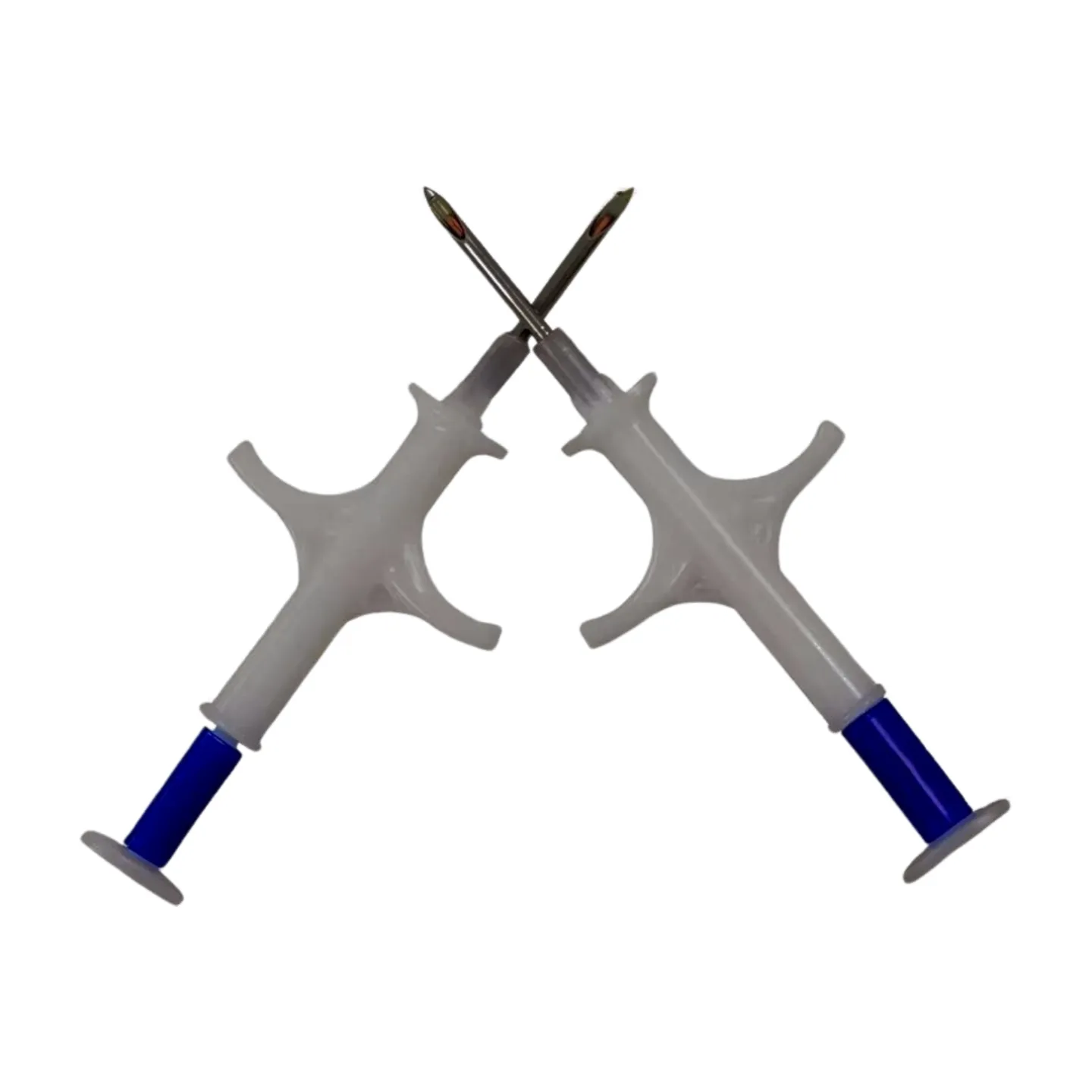
Engineered for subcutaneous insertion with a 14-gauge (preferably) needle, the microchip’s elongated 8mm form factor allows consistent placement in the scruff of the neck, between the shoulder blades, or in the lower abdomen of animals. Under optimal conditions, readers achieve a read range of 10–15mm, with a 99.9% read success rate verified through trials comparing 1.4×8mm and 2.12×12mm alternatives (smaller form factor reduces tissue trauma without compromising signal strength).
Application Scenarios: Diverse Industry Use Cases
H2: Pets & Companion Animals
For dog and cat owners, the 1.4×8mm microchip is a permanent ID solution, reducing the risk of pet loss and aiding reunification efforts. Veterinarians use it to link records to a centralized database, while shelters rely on its sterile, implantable design to minimize stress during adoption processes.
H2: Livestock & Research Animals
In cattle, sheep, and small ruminant industries, the microchip enables accurate breeding tracking, migration monitoring, and mortality reporting. Research institutions utilize it for rodent and equine studies, ensuring immune responses and behavior data correlate to individual animals.
H2: Aquaculture & Fisheries
For fish farms and fisheries, the 1.4×8mm chip (when paired with submersible readers) tracks stock movements, growth rates, and disease outbreaks across ponds or enclosures. Its water-resistant glass encapsulation makes it suitable for extended aquatic environments, including brackish waters.
Compatibility: Interoperability with Global Ecosystems
The 1.4×8mm RFID microchip integrates seamlessly with:
- Standard Readers: ISO 11784/5-compliant handheld scanners, fixed readers, and mobile veterinary devices.
- Management Systems: Veterinary Practice Management Software (VPMS), farm ERP platforms, and government animal tracking databases.
This interoperability ensures distributors and integrators can deploy the chip across existing infrastructure, reducing conversion costs and accelerating market entry.
Quality & Reliability: Proven Longevity
H2: Operational Lifespan
Laboratory and field trials demonstrate the microchip maintains 100% readability for 15+ years in vivo, far exceeding temporary ID methods. This longevity reduces replacement cycles for partners and end-users, directly impacting cost savings and operational efficiency.
H2: Manufacturing Consistency
Produced in ISO 9001:2015 and ISO 13485-certified facilities, the microchip undergoes 100% automated inspection for signal strength, physical integrity, and encoding accuracy before distribution. Each unit is traceable to its production batch, ensuring full compliance with global medical device and food safety regulations.
OEM/ODM Capability: Tailored Solutions for Partners
H2: Customization Options
While the 1.4×8mm form factor is standardized, we offer:
- EID Customization: Aligned with regional regulatory requirements (e.g., US USDA EID standards or EU animal tracking protocols).
- Packaging Flexibility: Sterile single-unit blister packs for veterinary clinics, bulk boxes for importers, and custom labeling for private branding.
H2: Volume Production
With monthly capacities exceeding 500,000 units, we support distributors and integrators with variable order volumes, ensuring consistent stock levels even during peak seasons. Our lean manufacturing processes minimize lead times (typically 4–6 weeks for OEM orders).
Supplier Perspective: Why Choose DO RFID Tag Factory’s Microchips
Distributors and integrators select our 1.4×8mm RFID microchips for:
- Reliability: 99.98% read success rate, verified in over 20 million field implantations.
- Compliance: 100% ISO/FDX-B adherence, reducing compliance risks for global markets.
- Technical Support: Dedicated application engineers assist with system integration, reader calibration, and EID management.
By partnering with us, you align with a supplier committed to long-term co-development, not just product sales.
Soft Call to Action: Partner With Industry-Leading Experts
To explore how the 1.4×8mm RFID microchip integrates with your portfolio, contact our technical team at [email protected] for a copy of our datasheet, sample testing, or custom EID range development. We offer no-obligation technical consultations to ensure your systems operate at peak efficiency, meeting both end-user and compliance needs. All product specifications are subject to change based on continuous R&D, and the 1.4×8mm size represents the current industry standard for small-animal implantable RFID transponders.