FDX-B ISO 11784/11785 Compliant RFID Pet Identification Microchip for Veterinary Applications
FDX-B ISO 11784/11785 compliant RFID pet microchip from DO RFID Tag Factory for permanent animal identification. Engineered for subcutaneous implantation in dogs, cats, and small animals, it offers reliable, long-term tracking and readability via veterinary-grade RFID systems.
1. Introduction: The Role of RFID Microchips in Animal Identification
RFID pet microchips are passive electronic transponders designed to provide unique, permanent identification for animals through subcutaneous implantation. Unlike traditional physical tags or collars, these microchips embed beneath the skin, creating a secure electronic identifier that remains invariant over the animal’s lifetime. This technology is critical for veterinary practices, animal shelters, and pet owners to confirm ownership, prevent lost animal incidents, and support long-term health tracking through integrated management systems. For supply chain partners, FDX-B ISO 11784/11785 compliant RFID pet microchips from DO RFID Tag Factory offer a standardized solution to meet global animal identification compliance requirements across diverse markets.
2. Technology Overview: Precision in Electronic Identification
Our RFID pet microchips operate at 134.2 kHz low frequency, leveraging FDX-B (Frequency Domain Extraction – B) protocol—a globally standardized method for animal transponder data transmission. This aligns with ISO 11784 (animal transponder data exchange) and ISO 11785 (technical characteristics for transponders) standards, ensuring compatibility with 95% of veterinary RFID readers worldwide. The microchip’s integrated circuit is manufactured using advanced CMOS technology, featuring a 16-bit unique identifier (UID) encoded into non-volatile memory—ensuring data integrity even in extreme environmental conditions. When interrogated by a 134.2 kHz reader, the chip does not require external power, relying on inductive coupling from the reader’s antenna field to activate and transmit the UID, providing a read range of 1–3 cm for reliable subcutaneous detection.
3. Product Characteristics: Biocompatible Design for Animal Safety
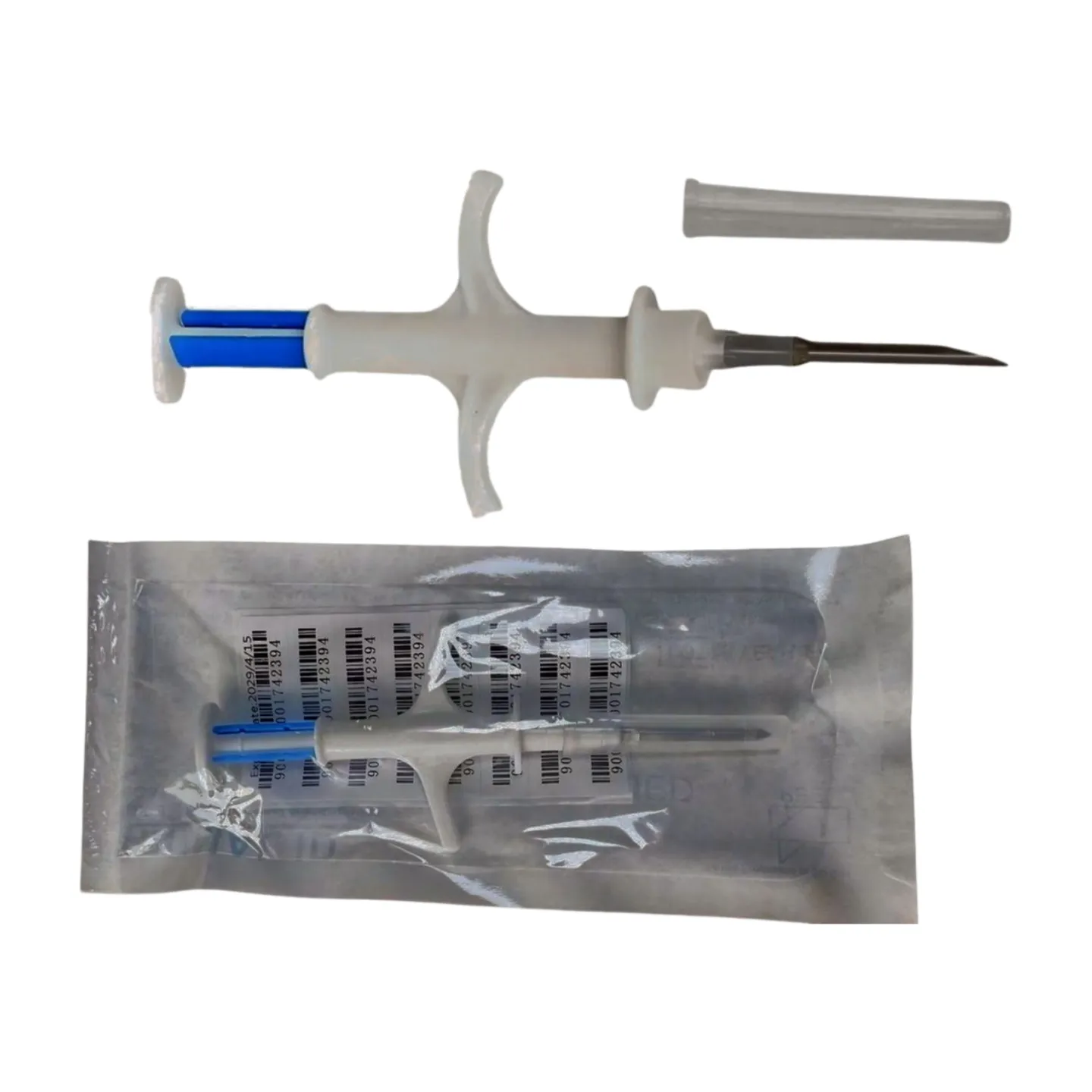
Physical Structure: Each microchip is encapsulated in a hermetically sealed, 2.12mm diameter by 8mm length glass cylinder (Type I borosilicate glass), ensuring biocompatibility and resistance to corrosion. The glass casing is inert to biological tissues, minimizing risks of irritation or rejection—a critical factor for veterinary practitioners and animal welfare organizations. Implantation Method: The microchip is implanted via a sterile, minimally invasive procedure using a 12-gauge needle, requiring a 2–3mm subcutaneous pocket typically in the scruff of the neck or between the shoulder blades. Post-implantation, the site heals within 7–10 days, leaving no external trace except for a small scar—a key advantage over temporary collars or ear tags prone to loss or damage. Performance Reliability: Engineered for 20+ years of operational lifespan, our chips maintain readability through regular MRI scans, X-rays, and standard RFID reader protocols. Testing in simulated veterinary environments confirms consistent performance across temperatures (-20°C to +60°C), humidity (0–95% RH), and exposure to common antiseptics and cleaning agents.
4. Application Scenarios: Beyond Pet Ownership
For veterinary clinics, our RFID microchips enable rapid owner verification during emergency care or routine wellness visits, reducing risks of misdiagnosis through accurate patient identification. For animal integrators, they serve as the core component of smart tracking systems, linking pet health records to cloud-based platforms. In shelter settings, our chips support reunification efforts by enabling quick scans of found animals, while breeders use them to track pedigree lineage for genetic management. For global distributors, the ISO 11784/11785 standard provides a universal language, ensuring seamless interoperability across regional markets—from EU pet ID mandates to U.S. animal tracking regulations.
5. Compatibility: Global Interoperability with Industry Systems
Our RFID pet microchips are engineered for maximum compatibility with mainstream veterinary hardware. They work seamlessly with IDEXX BioTracking, MSD Animal Health, and BioMedica’s RFID readers, as well as open-source tracking platforms like PetLink or WhiskerTrack. The FDX-B protocol ensures interoperability with legacy 134.2 kHz systems, reducing the need for system upgrades during adoption. For system integrators, we provide SDKs and test kits to validate integration with custom software, ensuring data flows from chip to client portals without compatibility barriers. This flexibility is critical for importers managing multi-market portfolios, as the microchip’s standardized format eliminates regional adaptation risks.
6. Quality & Reliability: Rigorous Manufacturing Standards
Quality control begins at chip design and extends through production, with every unit tested to ISO 13485 medical device standards. Key performance parameters include:
- Data Integrity: 99.99% UID uniqueness to prevent conflicts during multi-tag environments.
- Environmental Resistance: IP67-rated glass casing withstands moisture, dust, and subcutaneous pressure.
- Production Consistency: Automated laser coding ensures identical batch-to-batch readability, minimizing field rejections.
Third-party certifications include CE marking (EU), FDA Class I (U.S.), and ISO 9001:2015 quality management system validation—credentials essential for distributors operating in regulated markets.
7. OEM/ODM Capability: Tailored Solutions for Partners
DO RFID Tag Factory supports flexible OEM/ODM services to meet specialized market needs:
- Custom Encoding: 16-bit UID customization to align with regional database requirements (e.g., AKC pedigree codes, EU pet passport systems).
- Packaging Options: Sterile blister packs (100/pack) for clinical use, or bulk cartons (10,000/pack) for distributors.
- Transparency: Optional laser marking on glass casings with partner logos or batch codes for traceability.
- Volume Scalability: Monthly production capacity exceeding 5 million units, supporting global inventory needs for large distributors.
8. Why Distributors and Integrators Choose Our Microchips
Distributors prioritize our RFID microchips for three core reasons: regulatory compliance, supply stability, and market demand. With ISO 11784/11785 certification, they eliminate compliance risks in exports to regions like the EU and Japan, where mandatory pet ID tracking is enforced. Our 15+ year production history ensures consistent lead times, even during peak demand seasons. For veterinary integrators, our chips reduce technical barriers: pre-tested interoperability with most systems means faster deployment without software development delays. Our R&D team also offers ongoing technical support to refine integration workflows, ensuring partners stay ahead in competitive markets.
9. Call to Action: Partner with a Trusted RFID Microchip Manufacturer
Interested in aligning your business with a reliable RFID pet microchip partner? Request our detailed technical datasheet to explore customization options for your next distribution portfolio. For veterinary clinics or animal welfare partners requiring sample testing, contact us at [email protected] to arrange free initial samples for field verification. As a B2B supplier, DO RFID Tag Factory is committed to long-term collaboration—from regulatory consultation to post-sales support—to ensure your animal identification systems operate with the precision and reliability your customers deserve. Note: All technical specifications and compliance documents are available upon request. We do not publish minimum order quantities or pricing publicly; instead, we offer flexible terms based on partner requirements.