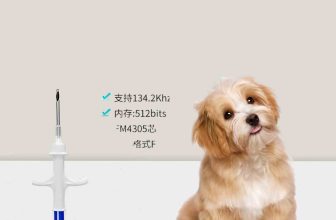

In today’s fast-paced world, real-time animal tracking is no longer a luxury; it’s a necessity. The advent of RFID (Radio-Frequency Identification) technology has revolutionized the way we monitor and manage animals. From livestock farming to wildlife conservation, the ability to track animals in real-time is transforming these fields. In this article, we will delve into the world of real-time animal tracking with RFID and explore why it matters.

Table of Contents
- Introduction
- The Power of RFID Technology
- Real-Time Tracking in Livestock Management
- Wildlife Conservation: A Real-Time Approach
- Precision in Pet Care
- Improving Animal Health and Welfare
- Enhancing Data-Driven Decisions
- Challenges and Ethical Considerations
- The Future of Real-Time Animal Tracking
- Conclusion
- FAQs: Answering Your Questions about RFID Animal Tracking
1. Introduction
In the realm of animal management, the integration of cutting-edge technology has revolutionized traditional practices. Real-time animal tracking utilizing Radio Frequency Identification (RFID) systems represents a pivotal advancement in this domain. By leveraging RFID technology, organizations can monitor, track, and manage animals with unprecedented precision and efficiency.
2. The Power of RFID Technology
RFID technology operates on the principle of utilizing electromagnetic fields to automatically identify and track tags attached to objects. These tags contain electronically stored information, facilitating seamless data transmission between the tag and an RFID reader. In the context of animal management, RFID tags are affixed to animals, enabling continuous monitoring of their movements and behaviors.
3. Real-Time Tracking in Livestock Management
Benefits of Real-Time Animal Tracking
Enhanced Livestock Management
Real-time animal tracking empowers livestock managers with invaluable insights into the health, behavior, and location of individual animals. By monitoring parameters such as feeding patterns, activity levels, and environmental conditions, managers can optimize feeding schedules, detect illnesses early, and mitigate the risk of livestock loss.
Improved Wildlife Conservation Efforts
In the realm of wildlife conservation, RFID technology plays a pivotal role in tracking endangered species, monitoring migration patterns, and preserving biodiversity. By deploying RFID-enabled tracking systems in natural habitats, conservationists can gather crucial data to inform conservation strategies, protect vulnerable species, and mitigate human-wildlife conflicts.
Streamlined Inventory Management
RFID technology streamlines inventory management processes by providing real-time visibility into the movement and status of animals within agricultural and research settings. By automating data collection and analysis, organizations can optimize resource allocation, minimize inventory discrepancies, and enhance operational efficiency.
4. Wildlife Conservation: A Real-Time Approach
Tag Durability and Compatibility
When deploying RFID tracking systems for animal management, it is essential to select tags that are durable, waterproof, and compatible with the target species. Additionally, consideration should be given to the frequency and read range of RFID tags to ensure optimal performance in diverse environments and conditions.
Data Integration and Analysis
Integrating RFID data with existing management systems and analytical tools is critical for deriving actionable insights and maximizing the utility of real-time tracking solutions. By leveraging advanced data analytics techniques, organizations can identify trends, detect anomalies, and make data-driven decisions to enhance animal welfare and operational outcomes.
Regulatory Compliance and Ethical Considerations
Adherence to regulatory requirements and ethical guidelines is paramount when implementing RFID-based animal tracking systems. Organizations must ensure compliance with relevant data privacy laws, animal welfare regulations, and industry standards to uphold ethical principles and maintain stakeholder trust.
5. Precision in Pet Care
From pet identification to health monitoring, we highlight the role of real-time tracking in pet care.
6. Improving Animal Health and Welfare
Real-time tracking helps improve the health and welfare of animals. Learn how it’s being applied in this context.
7. Enhancing Data-Driven Decisions
The data gathered through real-time animal tracking provides valuable insights for decision-making. We explore the data-driven aspects of this technology.
8. Challenges and Ethical Considerations
Real-time animal tracking also presents challenges and ethical concerns. We discuss these and consider their implications.
9. The Future of Real-Time Animal Tracking
The future holds exciting developments for real-time animal tracking. In this section, we look at what lies ahead.
10. Conclusion
Real-time animal tracking with RFID technology represents a transformative paradigm shift in the field of animal management. By harnessing the power of RFID systems, organizations can optimize livestock management practices, advance wildlife conservation efforts, and streamline inventory management processes. As technology continues to evolve, the future of animal management promises unprecedented levels of efficiency, precision, and sustainability.